September 2026
Learning to Drive
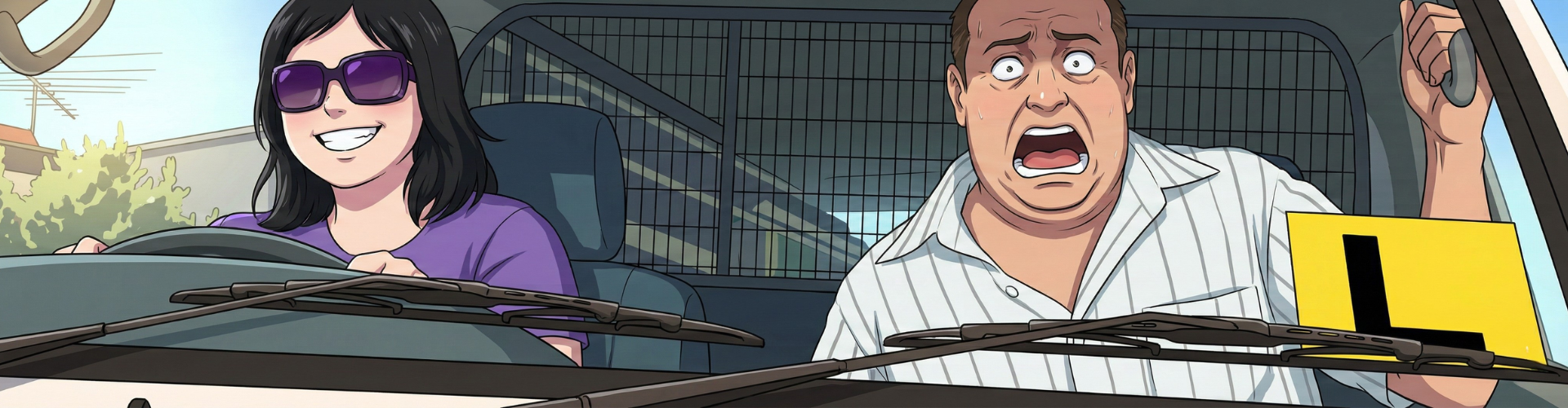
Once you have your yellow L plates, it is time to get behind the wheel.
This is the "practice makes perfect" phase. NZTA recommends at least 120 hours of driving practice in various conditions before you attempt the restricted test.
You must always have a supervisor with you who has held a full NZ licence for at least two years
The supervisor
Your supervisor must have held a full New Zealand car licence for at least two years. They are responsible for guiding you and ensuring you follow the rules.
Displaying L plates
Where to Place Them
Cars, vans and utes: You must display one plate on the front and one on the rear of the vehicle. Motorcycles and mopeds: You only need to display a single plate on the rear.
Key rules for placement:
- Visibility: Plates must be clearly visible to other drivers from a distance of at least 20 metres
- Front placement: Attach the plate to your bumper or grill. Do not leave it lying flat on the bonnet
- Rear placement: Use the rear bumper or rear window. Do not place it flat on the boot lid
- Clear view: Ensure the plates do not obstruct your own view of the road through the windscreen or mirrors
- Securely attached: Make sure they are fixed firmly so they don't fall off while you are driving
.png?sfvrsn=c2974928_1)
- Design: Your plates must have a black 'L' on a yellow background
- Non-learner drivers: If someone with a full licence is driving the vehicle, you must remove or cover the L plates.
Skill building
- Start small: Begin in quiet car parks or backstreets to master steering and braking
- Progress slowly: Only move into busier traffic, complex intersections and higher-speed zones once you feel confident
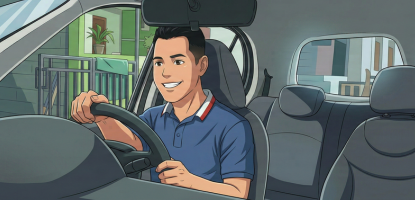
- Professional lessons: We recommend booking at least a few sessions with a qualified instructor to build good habits early on.
Useful resources
- Drive.govt.nz is an excellent free resource to help you prepare with step-by-step guides on specific driving skills.
- AA Driving School is one of the largest providers in NZ, offering lessons in almost every major town and city. They also offer a "Practice Restricted Test" to see if you are ready.
- NZ Transport Agency (Waka Kotahi) has a comprehensive directory of all approved course providers for every licence class across the country.
- New Zealand Institute of Driver Educators (NZIDE) also hosts a directory of qualified, professional driving instructors who are members of the national industry body.

Your first professional lesson: a checklist
Booking your first lesson with an instructor is an exciting milestone. To make sure you get the most out of your time and stay relaxed, here is a quick checklist to help you prepare.
Before you head out
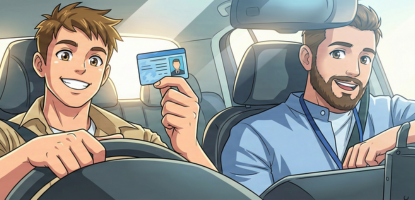
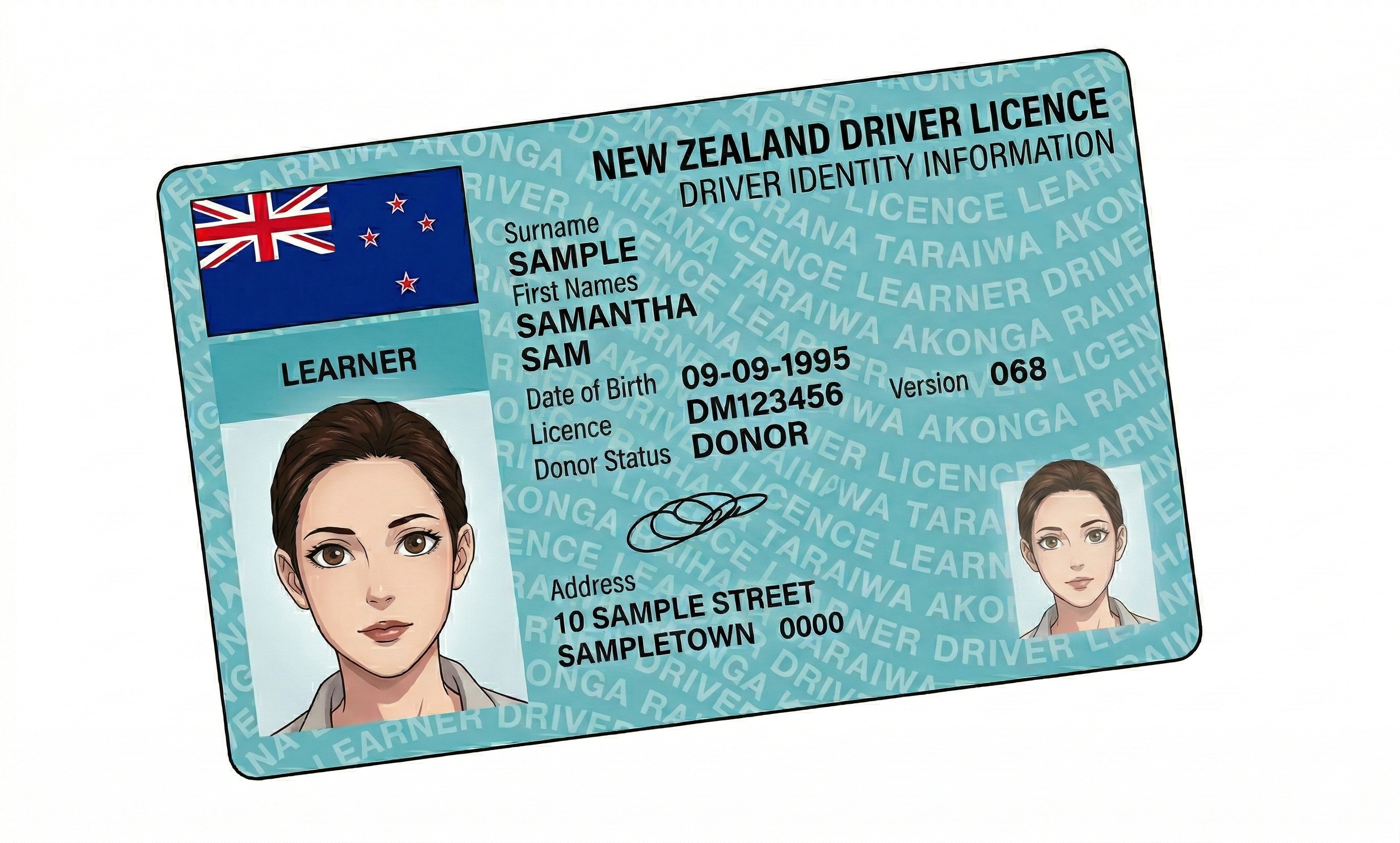 Carry your licence: You must have your current New Zealand learner licence on you every time you drive
- Check your footwear: Wear flat, thin-souled shoes so you can feel the pedals clearly. Avoid jandals, heavy boots or high heels
- Bring your glasses: If your licence has a "V" (eyesight) restriction, you must wear your glasses or contact lenses
- Log your hours: Have your logbook or driving app ready so your instructor can see your progress and sign off your session.
During the lesson
- Ask questions: Your instructor is there to help. If you don't understand a road rule or a specific manoeuvre, ask them to explain it again
- Stay relaxed: It is normal to be nervous. Instructors have dual controls (their own brake and sometimes a clutch) to keep you safe while you learn
- Focus on the basics: Don't worry about complex intersections yet. Your first lesson is usually about getting comfortable with steering, braking and accelerating smoothly.
After the Lesson
- Ask for feedback: Request a summary of what you did well and which specific skills you should practice with your supervisor before the next lesson
- Book your next session: Consistency is key to building muscle memory. Try to book your next lesson while the feedback is still fresh in your mind.
Pro Tip: The 120-hour goal
While professional lessons are invaluable for learning technical skills, the NZTA recommends at least 120 hours of total practice. Use your professional lessons to learn the "right way" to do things, then use your time with a supervisor to clock up those essential hours on the road.
Note: The 120-hour figure above is NZTA's general practice recommendation for all learner drivers. It's separate from the 60 supervised driving hours pathway introduced under the 2027 licence changes, which under-25s can use specifically to reduce their learner licence period from 12 months back down to six. See the full 2027 changes breakdown for details.
.png?sfvrsn=206297c1_1)